
As an HR or recruiter, shortlisting resumes and interviewing CA, CS, or CMA candidates can be extremely time-consuming. You often receive hundreds of applications, but only a few turn out to be the right fit.
In 2026, with rising competition and higher skill expectations, HRs need to quickly identify candidates who can contribute from day one.
This guide explains exactly what experienced recruiters look for during resume shortlisting and interviews.
Resume Shortlisting Process: What HRs Check in the First 10 Seconds
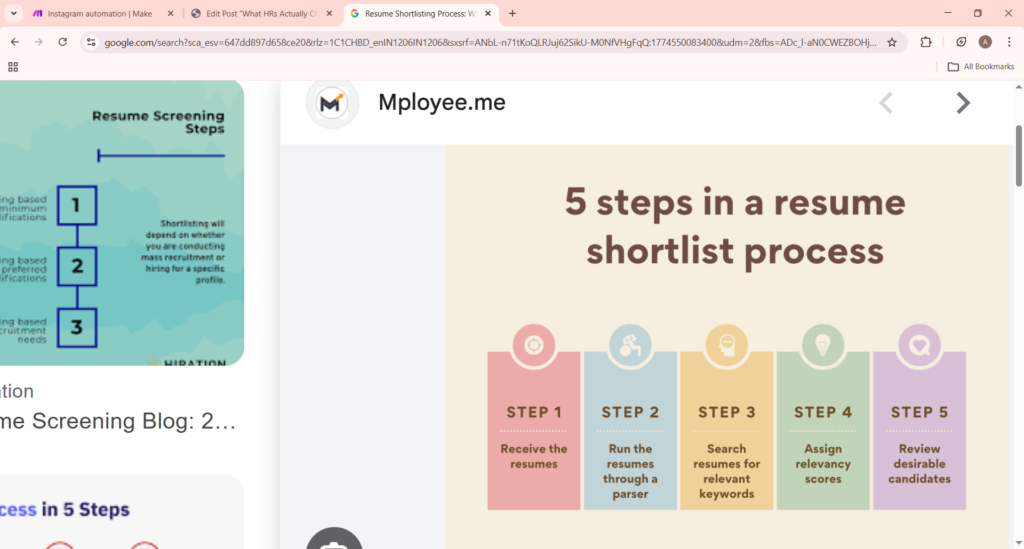
Most resumes get rejected very quickly. Here’s the step-by-step process HRs typically follow:
- Does the resume mention practical tools?
- GST filing & reconciliation
- Tally Prime or Busy
- Advanced Excel (Power Query, XLOOKUP, macros)
- Power BI basics
- First Scan (0–5 seconds)
- Glance at the overall layout and length (ideal resume is only 1 page).
- Check education (CA qualification, attempt number, and articleship firm name).
- Look for red flags like multiple attempts without explanation or “self-employed” articleship.
- Skills & Tools Check (5–8 seconds)
- If these are missing, the resume is usually moved to “reject” or “maybe later”.
- Quantification Check (8–10 seconds)
- Look for numbers and achievements. Weak: “Assisted in audit work” Strong: “Assisted in statutory audit of 25 clients with combined turnover of ₹80 Cr”
- No numbers = low priority.
- Final Decision
- Clean 1-page resume + recognizable articleship firm + practical skills + quantified achievements = Shortlisted.
- Vague content, poor formatting, or missing tools = Rejected.
Pro Tip for HRs: Create a simple scoring sheet with these 4 points. It helps you shortlist candidates much faster and more fairly.
Technical Knowledge: Practical Application Over Theory
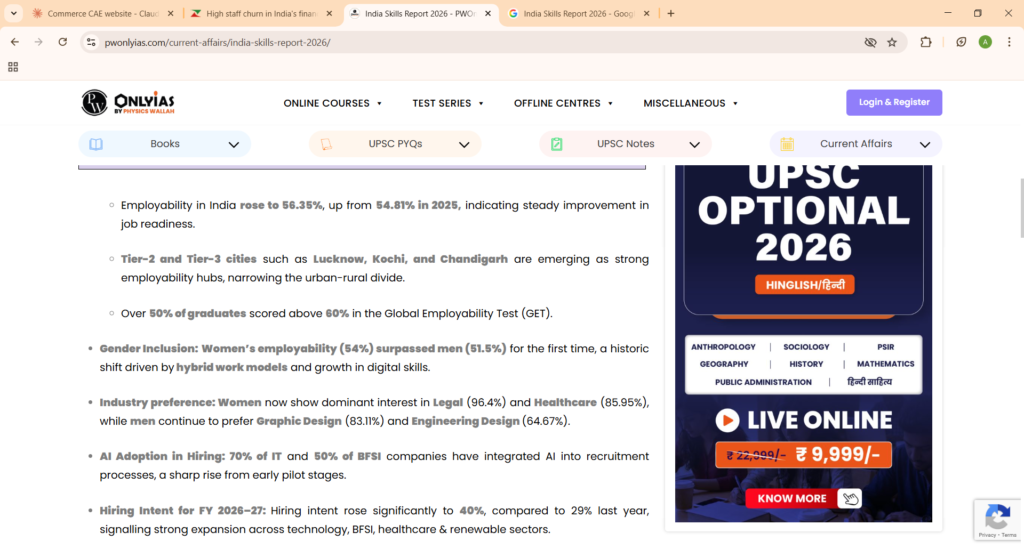
HRs don’t want candidates who only remember definitions from books. They want people who can apply their knowledge in real situations.
What HRs check:
- Can you explain GST reconciliation or input credit in simple words?
- Have you actually worked on Tally Prime or Busy?
- Can you create a basic Excel report or Power BI dashboard?
- Do you understand TDS rates and how to apply them?
How HRs test it:
- “Walk me through the GST return filing process.”
- “How would you reconcile a bank statement in Tally?”
- “Show me how you would prepare a simple MIS report in Excel.”
Communication and Stakeholder Skills
Even technically strong candidates get rejected if they cannot explain things clearly to others.
What HRs check:
- Can the candidate explain complex topics in simple language?
- Do they speak confidently and professionally?
- Would they be comfortable talking to clients or senior management?
Simple test question: Ask them to explain GST to a non-finance person.
Attitude and Learning Ability
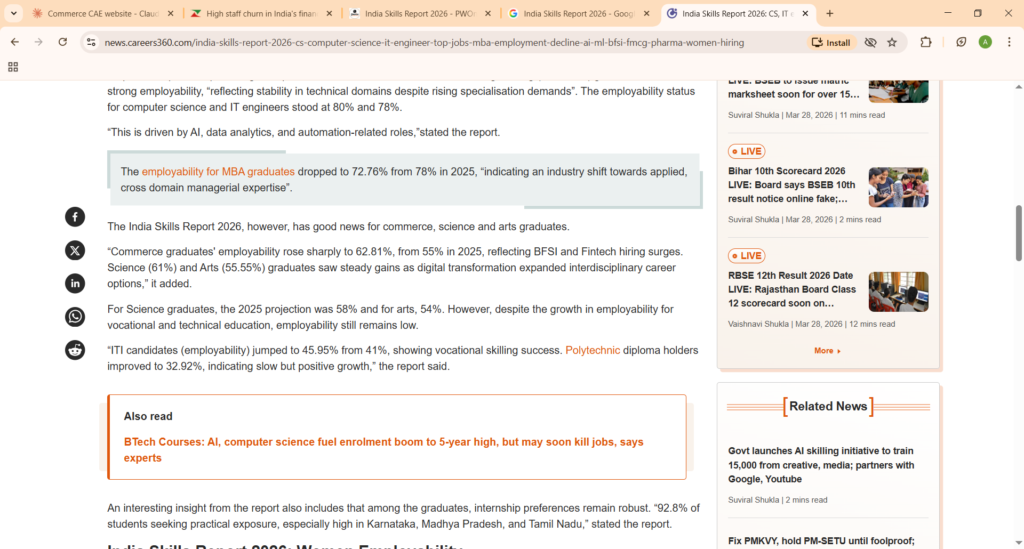
HRs want candidates who can learn fast and adapt to the team.
What HRs check:
- Honest answers about strengths and weaknesses
- Willingness to learn new tools (Power BI, SAP, AI in finance)
- Positive attitude and team spirit
Common question: “Tell me about a mistake you made during articleship and what you learned from it.”
Common Red Flags HRs Watch For
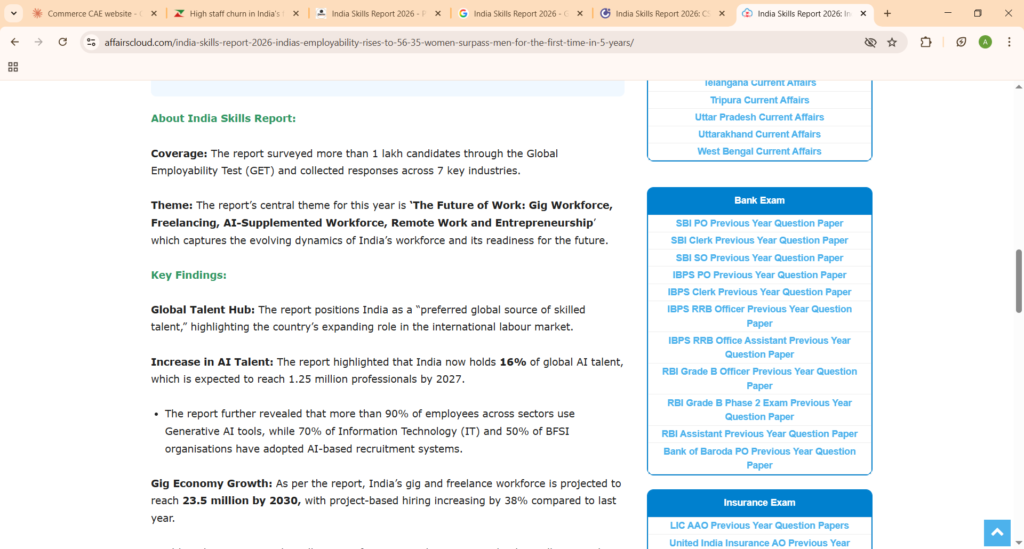
- Claiming to be an “expert” in tools but unable to explain basic concepts
- Multiple CA or CS attempts without a clear reason
- Gaps in education or articleship without explanation
- Poor eye contact or overly rehearsed answers
- No practical exposure despite clearing exams
Quick Checklist HRs Use in 2026
- Can the candidate explain GST or TDS clearly?
- Do they have real hands-on experience with Tally or Excel?
- Are their achievements quantified with numbers and results?
- Do they show willingness to learn new things?
- Would I feel comfortable putting them in front of a client?
Final Tip for Recruiters
Stop hiring only on marks and qualifications. Focus more on practical skills, quality of articleship, communication, and attitude.
If you’re tired of spending weeks screening and interviewing average candidates, consider using pre-screened talent pools. Platforms like CommerceCareer.in help HR teams connect with job-ready CA, CS, and CMA professionals who have already been vetted on skills and exposure.
Frequently Asked Questions (FAQ)
Q1: Is B.Com compulsory for becoming a CA?
No. You can register for CA Foundation directly after 12th. B.Com is optional and can be done via correspondence during articleship.
Q2: Which is better in 2026 — CA or MBA?
CA offers deep technical expertise and respect in India, while MBA (from a top college) provides faster corporate entry and broader roles. Many professionals combine both (CA Inter + MBA Finance).
Q3: How long does it take to get a response from state government jobs?
Usually 2–6 months for initial screening. Many applicants never hear back. Private sector roles respond much faster.
Q4: What are the must-have skills for commerce freshers in 2026?
GST filing & reconciliation, Tally Prime, Advanced Excel (Power Query, macros), Power BI basics, and basic TDS compliance.
Q5: How can I improve my chances if I studied from a tier-3 college?
Focus on practical skills, certifications (NISM, Tally, Power BI), quantified resume bullets, and networking on LinkedIn. Many employers care more about what you can do than where you studied.